April 23, Architecture stopped being explained and started being felt.Not in plans or renderings, but in conversations, in meetings, and in a shared idea that clearly emerged: Building is no longer just about creating spaces, it's about deciding how we want to inhabit the worldUnder that premise, the Second Edition of the Modular Awards 2026, a meeting point for those who are not waiting for the sector to evolve, but are already committed to this change.
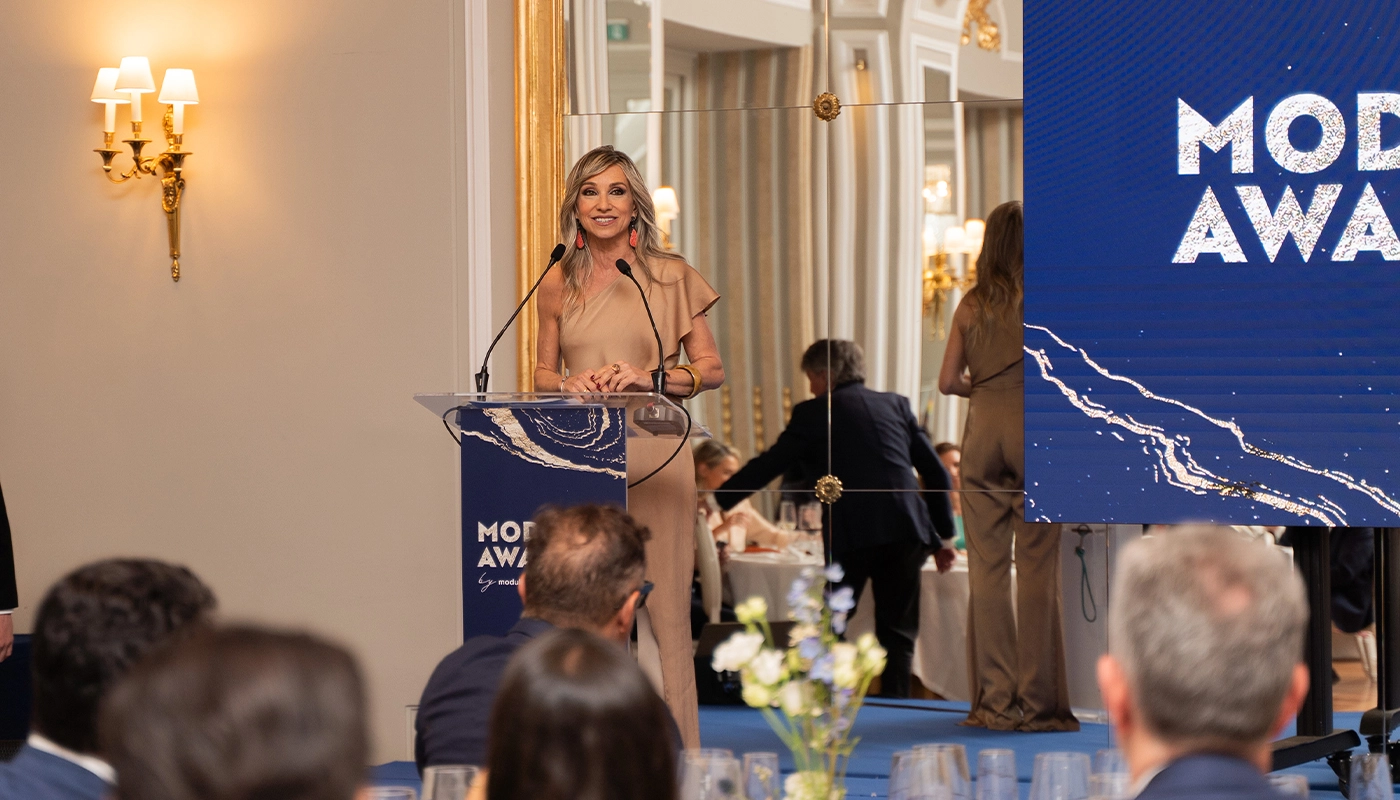
The Mandarin Oriental Ritz Madrid has ceased to be merely the venue for the event, becoming instead a statement of intent. Not so much for what it is, but for what it symbolizes: the capacity of architecture to evolve without losing its essence, integrating new, more efficient, more sustainable, and more environmentally responsible ways of building.
The award winners: Projects and professionals who are changing the rules
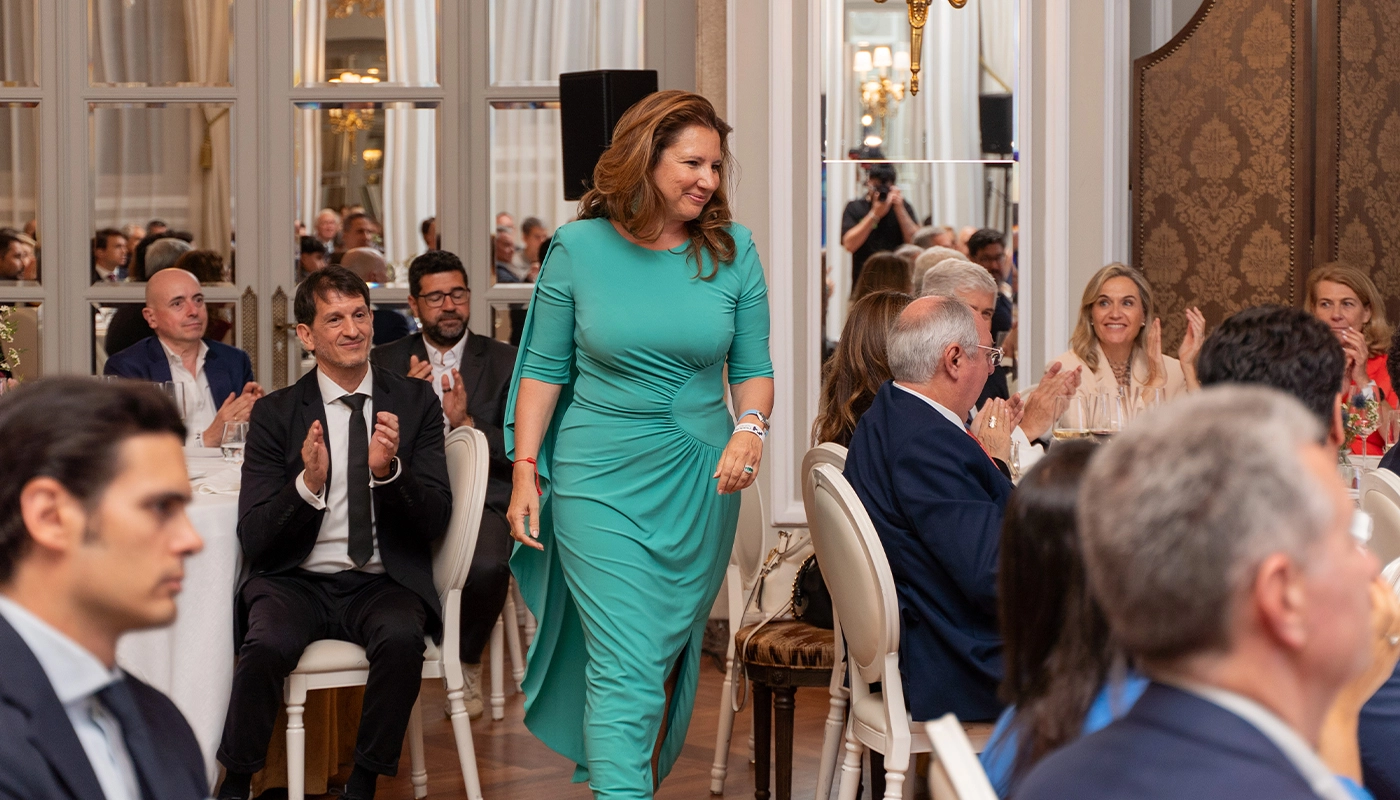
One of the most special moments of the evening was the recognition of Rafael de la-Hoz for the renovation of the Ritz Hotel itself. A gesture full of meaning.
During his speech, the architect shared an anecdote that perfectly defined the evening: The Ritz has witnessed countless awards, but it had never been awarded itself.. For one night, it ceased to be a stage and became the protagonist. A reminder that architecture reaches its greatest value when it transcends the physical and becomes an experience.
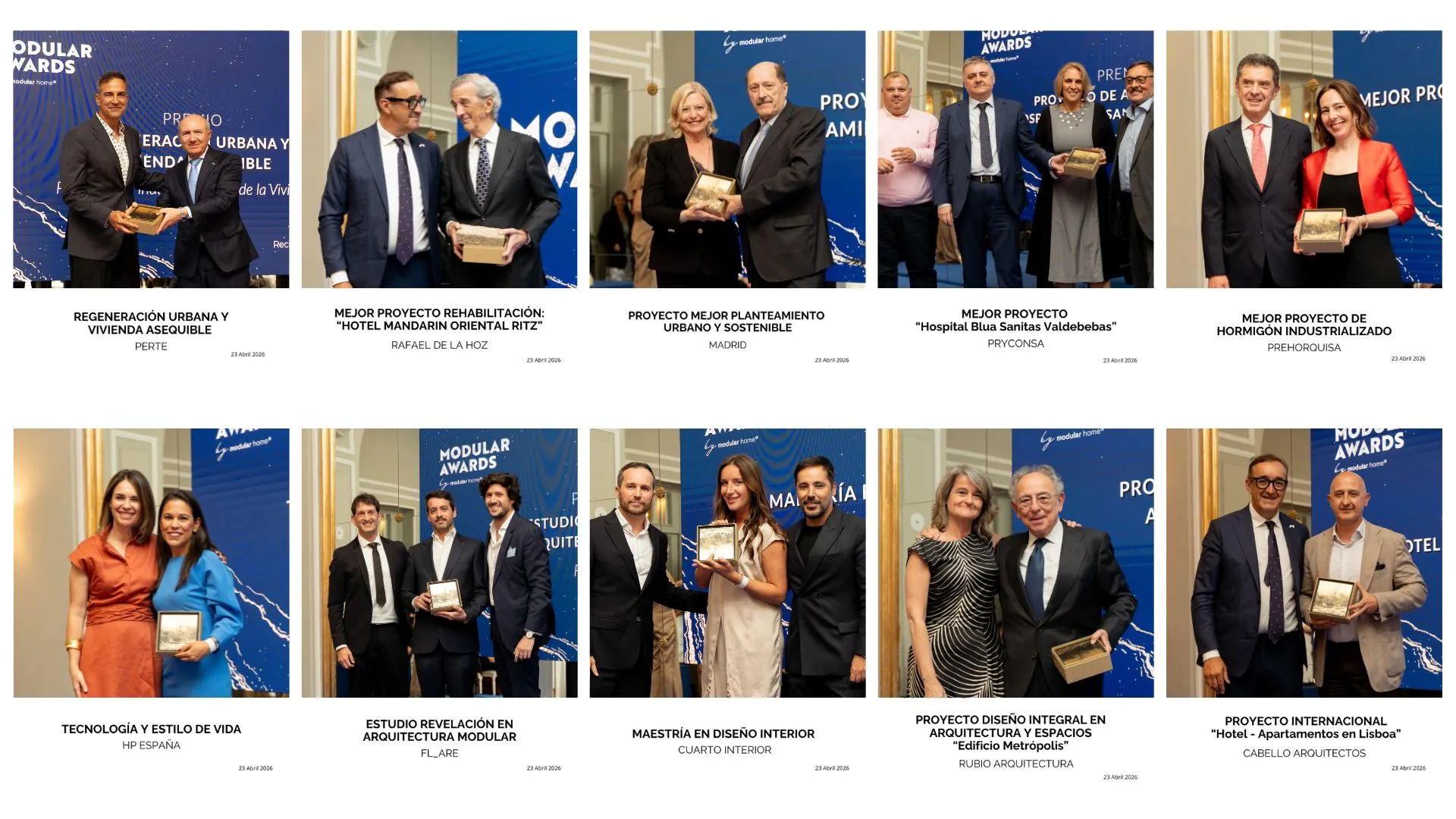
Along with this recognition, The 2026 awards brought together projects and professionals which represent a more precise, more efficient, and more conscious way of building:
Rehabilitation Project: Ritz Hotel — Rafael de la-Hoz, Arquitecto
– Comprehensive Design in Architecture and Spaces: Metropolis Building — Carlos Rubio Carvajal, Architect and CEO of Estudio Rubio Arquitectura
– Urban Regeneration and Affordable Housing: LOSS of Housing Industrialization (Government of Spain), collected by Iñaqui Carnicero, Architect and Secretary General for Urban Agenda, Housing and Architecture.
– City Project (Urban and Sustainable Planning): Madrid City Council, collected by Paloma García Romero, Delegate of the Government Area of Works and Equipment of the Madrid City Council.
– Technology and Lifestyle: HP Spain, collected by Inés Bermejo, General Director for Spain and Portugal.
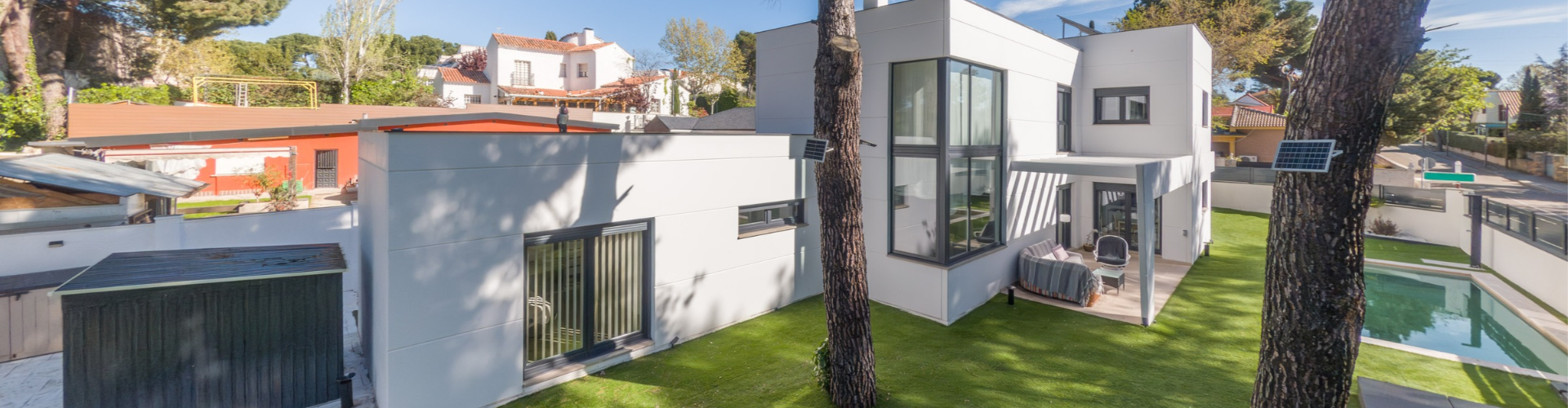
– Industrialized Concrete Project: Pre-fork, collected by María Monterde, CEO.
– Revelation Study in Modular Architecture: FL-ARE, collected by Álvaro Fernández and Luis Lombao, Architects and founders of the FL-ARE Studio.
– International Project: Cabello Architects (Hotel and Apartments in Lisbon), collected by Juan Carlos Heredia, Architect and General Management.
– Architectural Project: Blua Sanitas Building in Valdebebas Pryconsa, collected by Francisco Ordoñez García, Director of Industrialization.
– Master's Degree in Interior Design: inner room, collected by José Manuel Fernández and Germán Álvarez, founders of the studio.
Urban Souls: Portraits on Concrete – When matter speaks
Urban Souls reappeared that night not as an exhibition, but as a pause. A moment to look at architecture from a different perspective, far from the finished work and closer to the person who conceives it. “Portraits on Concrete” proposes precisely that: to pause in the relationship between the architect and the material, in that prior link where the decisions that later become space are born.
In this edition, renowned architects such as Emilio Tuñón, Paloma Sobrini, Iñaqui Carnicero, Carlos Calero, Eduardo Mediero, Álvaro Ferrándiz, Luis Lombao, and Mónica Diago joined the Urban Souls lineup from the previous edition—along with names like Tristán López Chicheri, Carlos Rubio Carvajal, Julio Touza, Iker Ochotorena, Enrique Álvarez Sala, José Antonio Granero, and Carlos Lamela—to approach concrete from a more personal, almost introspective perspective. Not as a building material, but as a language.
For us, concrete is precisely that: a way of thinking about architecture based on precision, permanence, and innovation. The starting point for ideas that are built and that endure.
When building also means caring
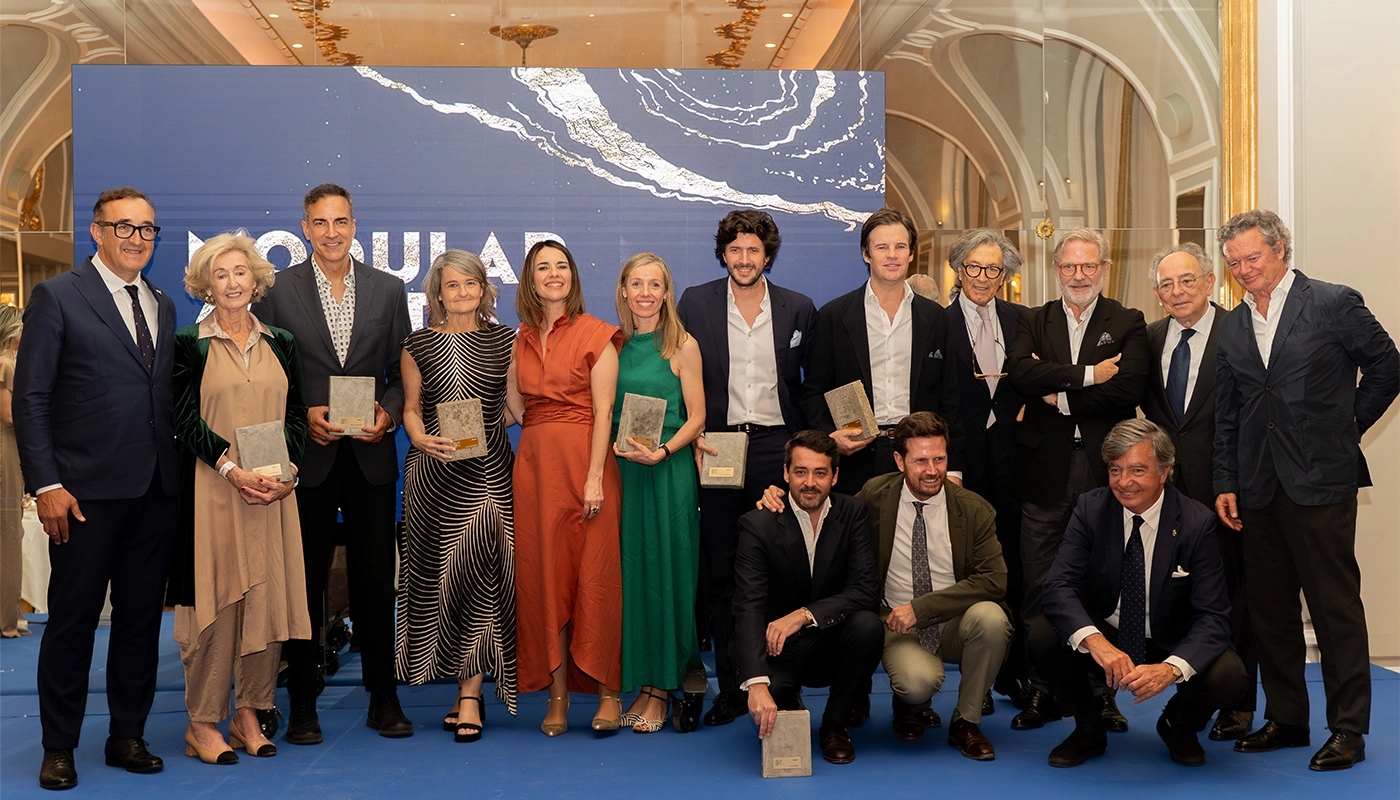
The Modular Awards serve as a reflection of the current state of architecture. Rather than highlighting specific projects, they outline a trend: a way of designing and building where the process takes precedence over the final result.
What unites this year's award winners is not a style or a scale, but a way of working. More refined decisions, greater control over execution, and a growing attention to how each project responds to its context. Technology, efficiency, and design cease to compete with each other and instead integrate into a single, more balanced, and above all, more conscious logic.
Beyond construction
There are moments that remind you why you do what you do. For us, that answer also lies outside the artwork. Our collaboration with the CorAll Family Foundation, which accompanies children with congenital heart disease, brings us back to the essential: that building is not always about structures, but about generating care, support and tranquility in people's lives.
As this second edition draws to a close, the Modular Awards not only gain momentum but also deepen their significance. They are growing as a space that connects the sector, while also taking a clear stance: progress is important, but doing so with sensitivity is even more so. Because the future of architecture will not be measured solely by how it is built, but by whom and how it impacts.